
Global Procurement for Mega Projects
Global Procurement for Mega Projects
Why Southeast Asia belongs on Australian program’s sourcing map
If you’re delivering a mega project/program in Australia and the procurement plan is to let the EPCs sort it out, you’re betting the schedule on the market being kind.
Right now, the constraint is rarely your tender process. It’s manufacturing slots, supplier capacity, and the logistics/QA system wrapped around it. We see it in constrained equipment markets where lead times stretch, and supplier pools are thin.
That’s why global procurement, done properly, is becoming a program delivery discipline as opposed to a procurement side quest.
What global procurement means for programs
Global procurement isn’t buying offshore, it’s a program-level sourcing model that:
- Aggregates demand across packages – one demand signal, not ten
- Locks critical capacity early – slots, sub-tier materials, long-lead components
- Hardwires quality, inspection and logistics into the plan – not after the award
- Deliberately decides what is principle-supplied versus contractor-supplied
If you don’t design it, you’ll get the default fragmented buying, duplicated expediting, and contractors competing in the same OEM queue.
Why Southeast Asia is a streamlined option for Australian programs
1) Trade frameworks reduce friction (if used properly)
Australia has established regional trade frameworks including AANZFTA and RCEP, supporting market access and tariff preferences when rules of origin and documentation are handled properly.
2) Manufacturing ecosystems that match common project categories
Southeast Asia isn’t one market, but it does have depth in specific categories that repeatedly show up in Australian programs, especially electrical/electronics and industrial manufacturing supply chains.
- Malaysia – mature electrical & electronics base
- Thailand – strong E&E sector and export orientation
- Vietnam- electronics exports are significant and growing
- Philippines- electronics exports are a major share of merchandise exports, with semiconductors a key contributor
3) Logistics optionality via major hubs
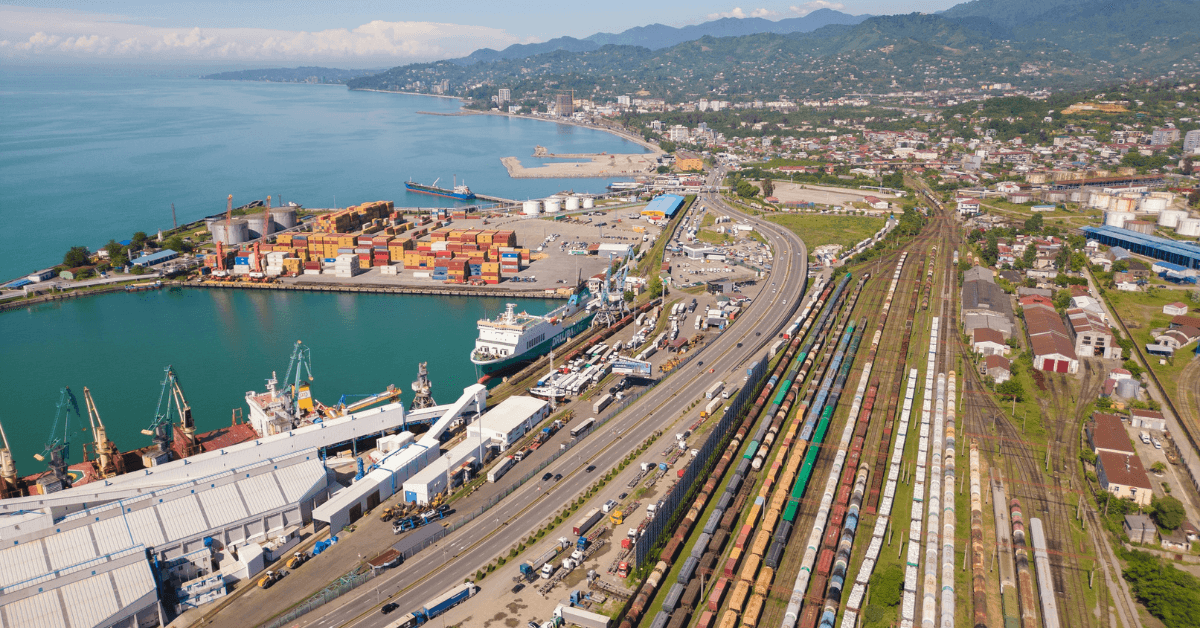
Logistics shouldn’t be an afterthought for global procurement: it’s a design input. Singapore remains a major transshipment hub (around 90% of container throughput tranship onwards), which can improve routing and consolidation options.
Where Southeast Asia fits, and where it doesn’t
Best-fit (often) for Australian programs:
- LV/MV switchboards, control panels, PLC/SCADA cabinets (tight specs plus FAT plus third-party inspection)
- Modular skids / packaged plant (standardise, test, ship as modules)
- Selected fabrication and assemblies (where code compliance and QA are enforceable)
This isn’t theoretical. We’ve recommended actively exploring SE Asian factory options in electrical categories to shorten lead times, as opposed to limiting options to legacy-approved lists.
Be cautious/selective when:
- Safety-critical bespoke rotating equipment without strong OEM backing and local support
- Ultra-high voltage primary plant where compliance/prequalification constraints are hard gates
- Any category where you can’t practically enforce inspection, traceability, and documentation
Rule of thumb: SE Asia can be excellent if you control the system (specs + QA + logistics + warranty), not just the purchase order.
Southeast Asia sourcing map
- Malaysia / Thailand – strong base for E&E manufacturing ecosystems (useful for panels/controls/selected assemblies)
- Vietnam – large electronics export sector; good for electronic assemblies and supply chain options
- Philippines – electronics/semiconductor ecosystem is economically significant; relevant for electronics supply chains
- Indonesia – can be relevant for fabrication/industrial supply, but capability varies by region and supplier, you must be disciplined on QA and logistics
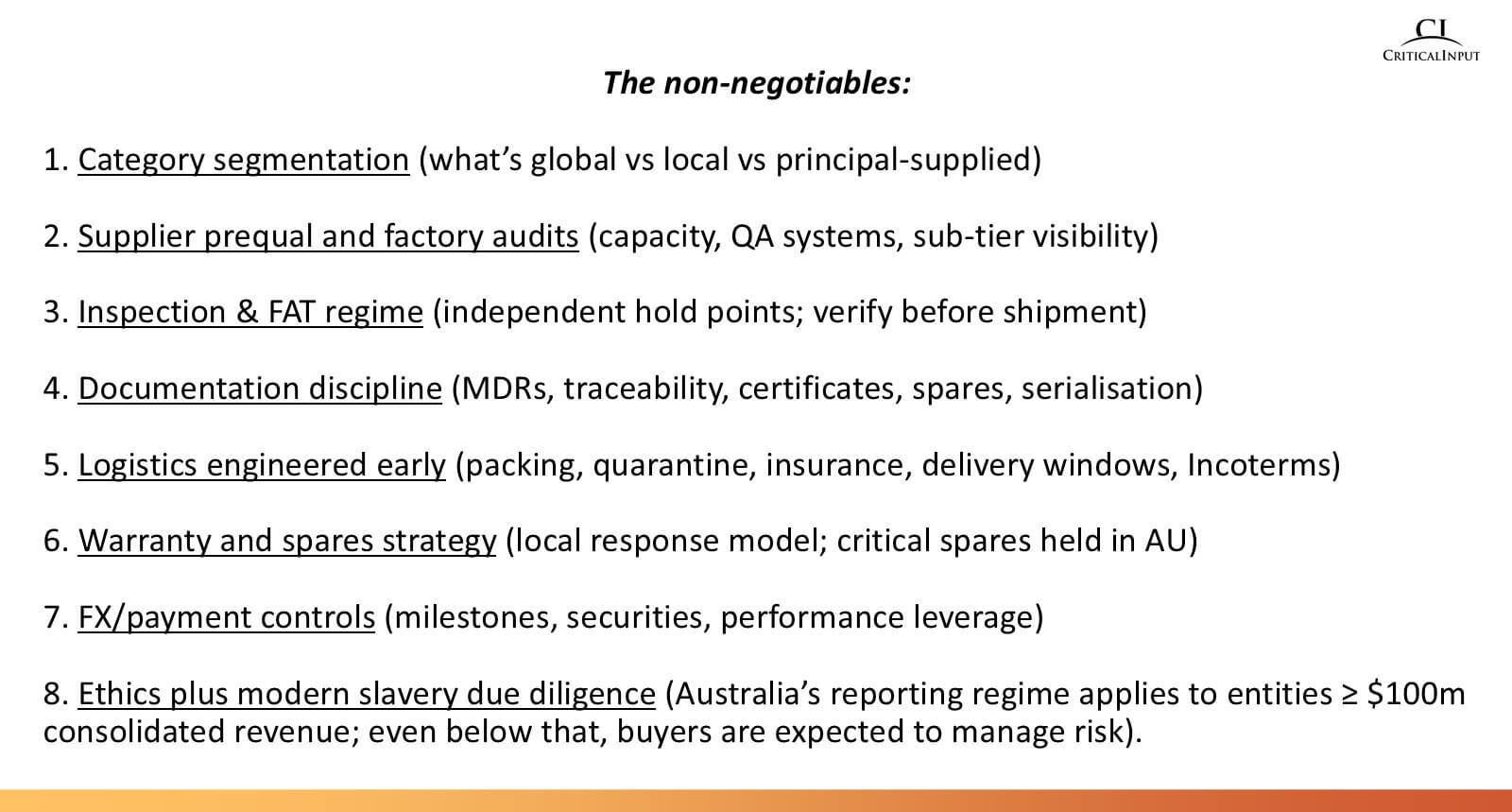
The non-negotiables – how to de-risk SE Asia procurement
If you want program certainty, these are the table stakes:
A smart global procurement strategy doesn’t replace contractors; it makes the program deliverable.
Used well, Southeast Asia is part of a diversified sourcing map that can improve lead times, increase capacity options, and reduce surprise logistics/quality failures – especially when the alternative is everyone queuing at the same OEMs and hoping for the best.
Want strategic procurement that elevates every link of the chain? Reach out to Critical Input today.